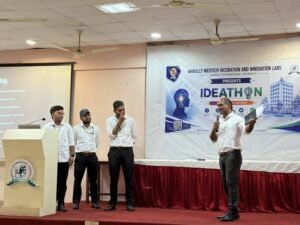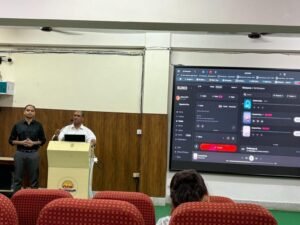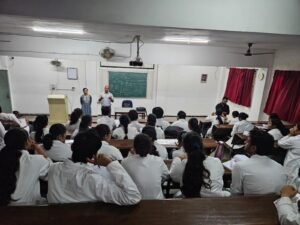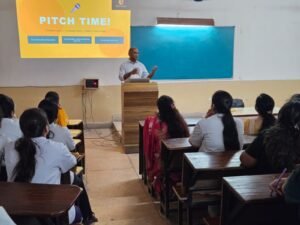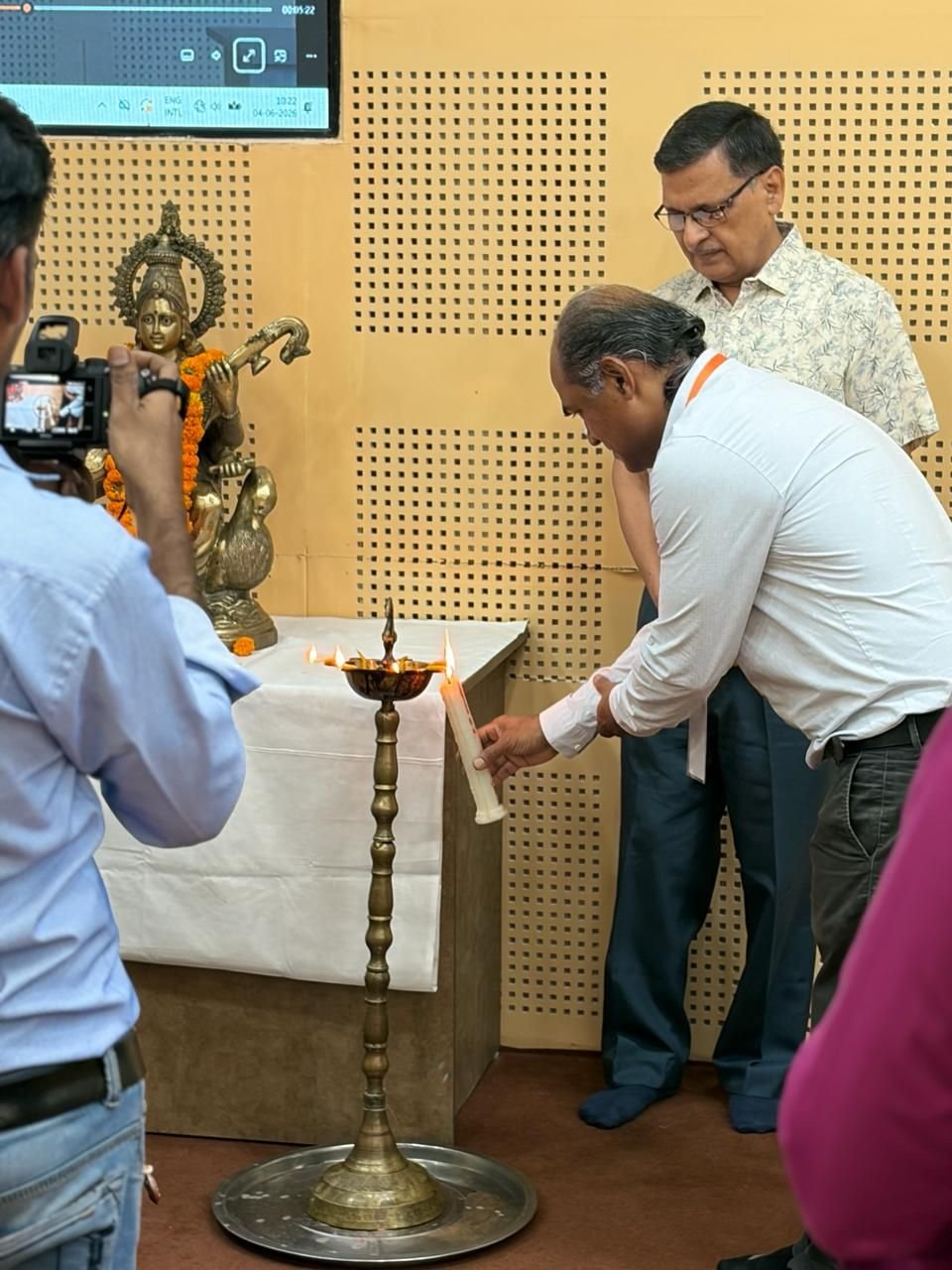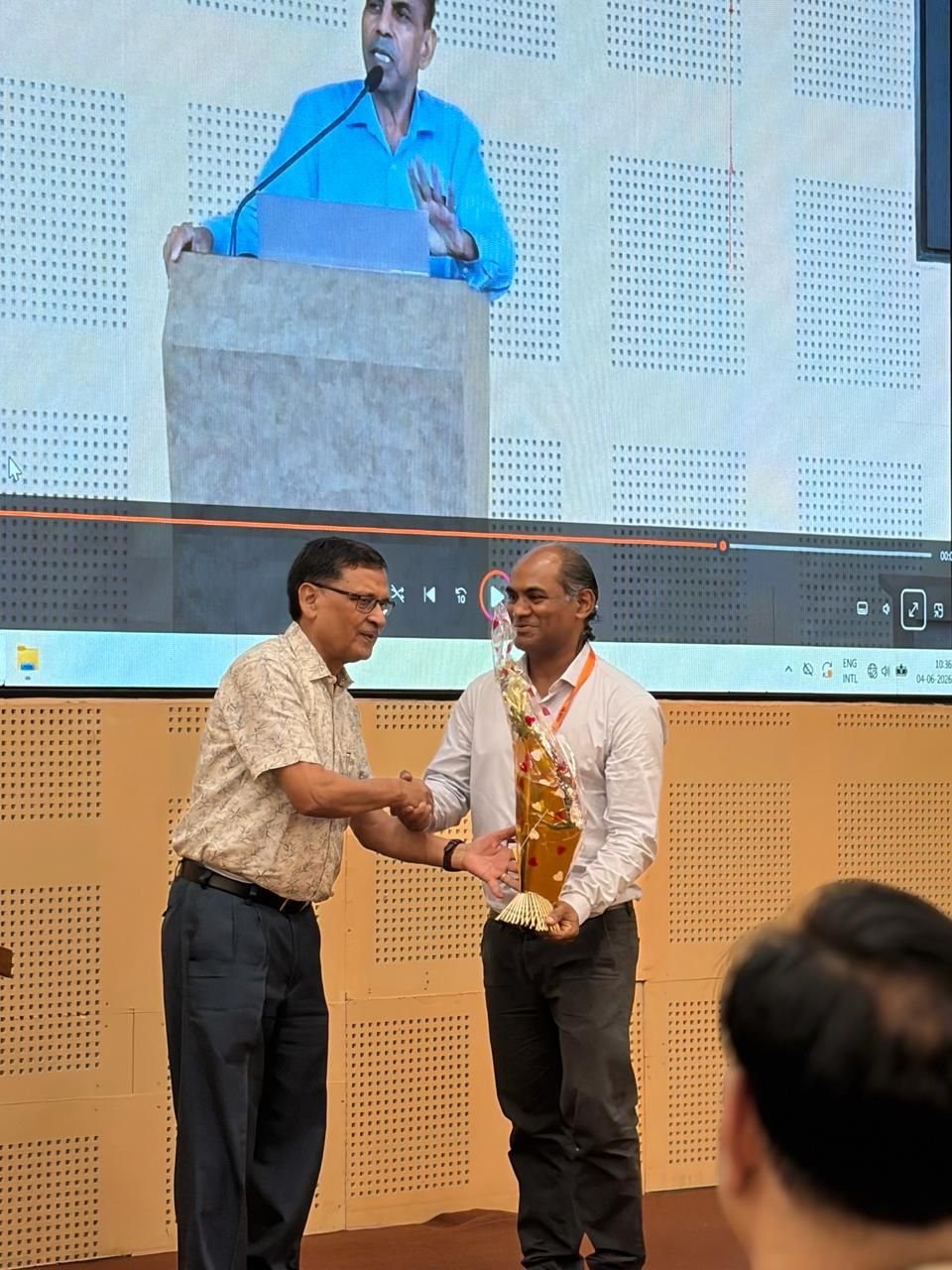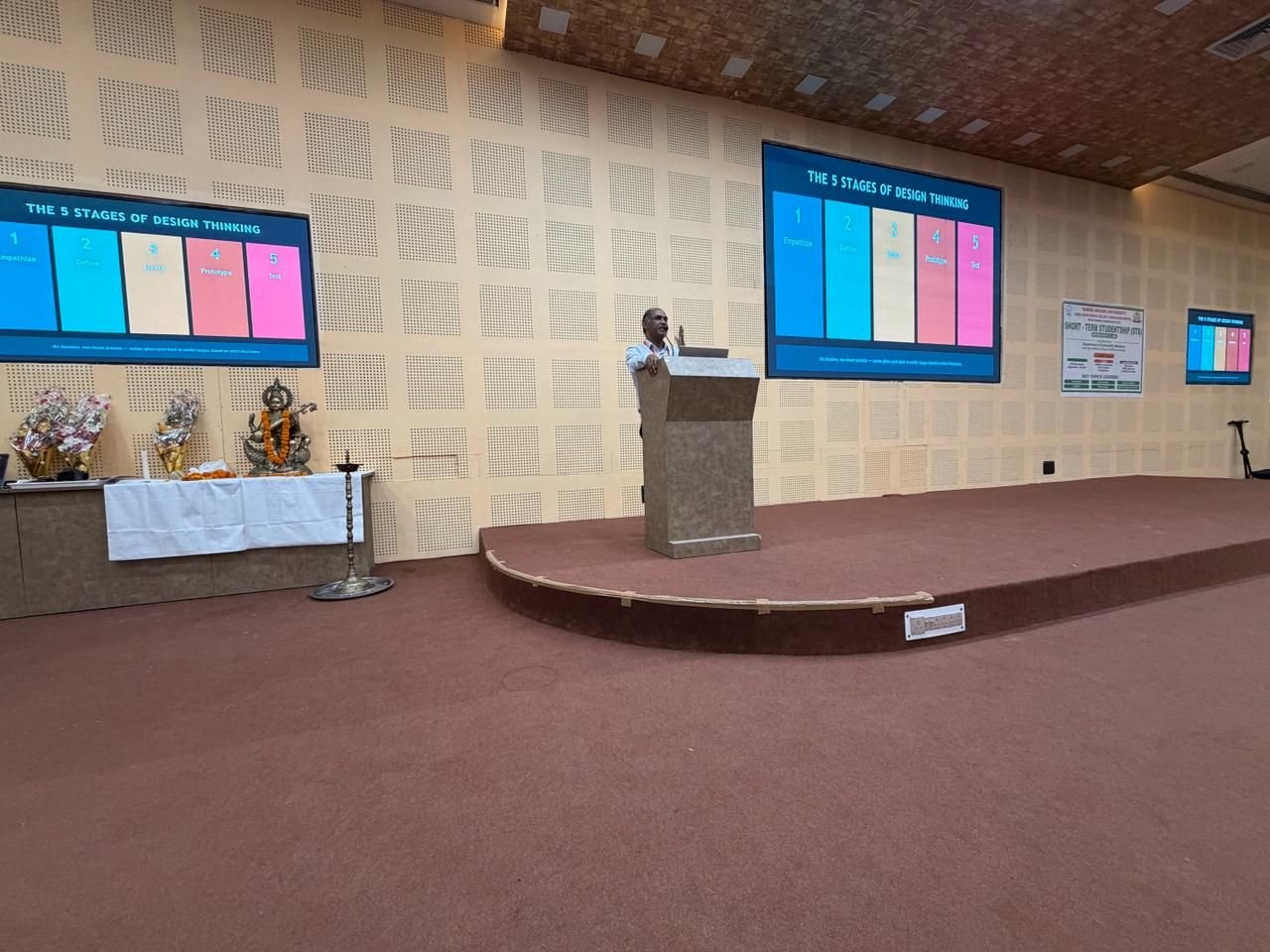

Bareilly Medtech Incubation & Innovation Labs Foundation (BMIIL) recently participated in an ICMR-accredited Continuing Medical Education (CME) program organized by the Department of Community Medicine at Varun Arjun University Medical College, Shahjahanpur.
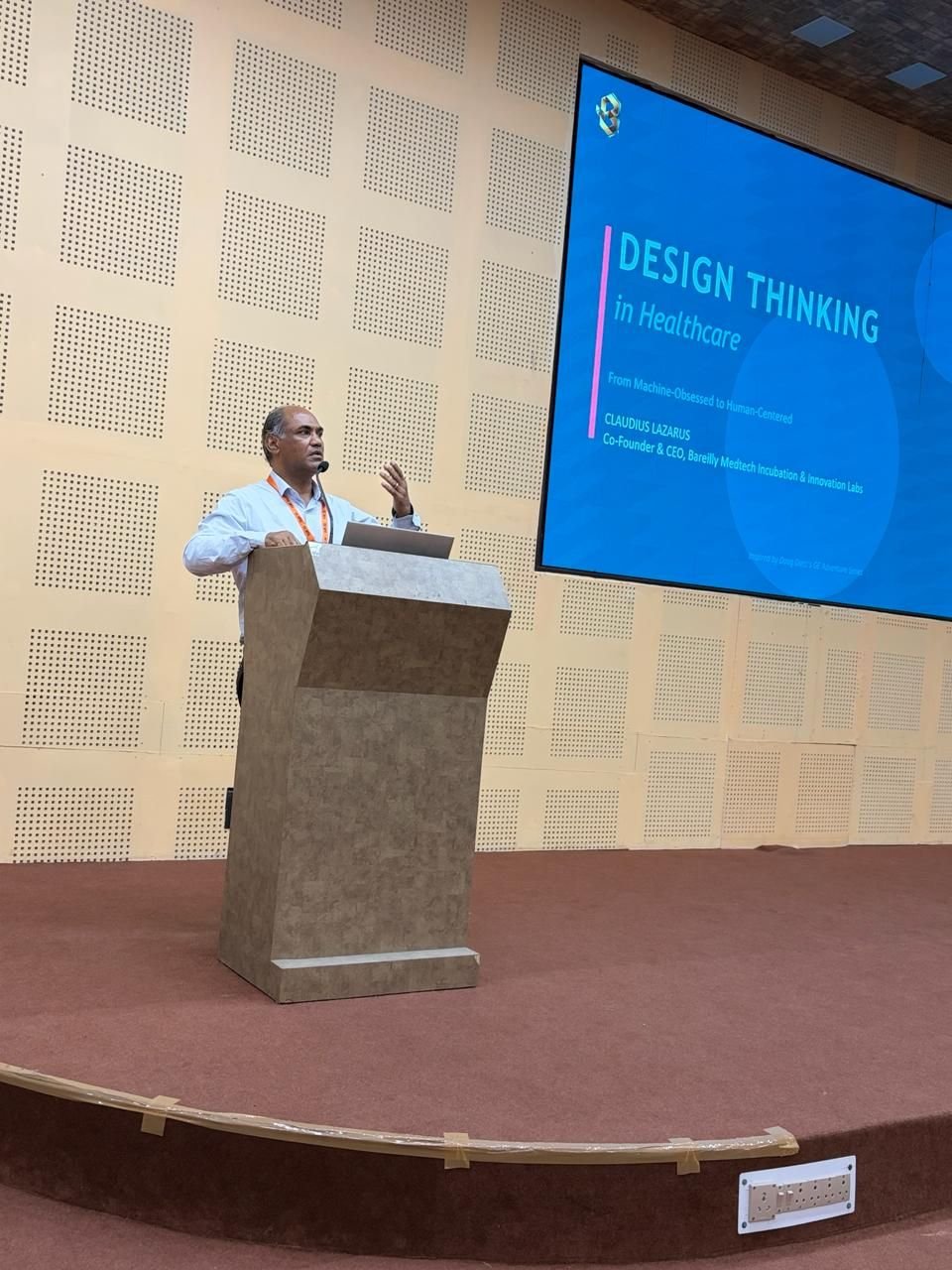
During the workshop, a session on Design Thinking in Healthcare was delivered to an auditorium filled with medical professionals, faculty members, and healthcare practitioners. Despite the challenging post-lunch schedule and the intense summer heat of 43°C, the session witnessed active participation and engagement from the audience throughout.
The session commenced with the case study of the Therac-25 radiation therapy machine, a technologically advanced system of the 1980s that became a landmark example of how innovation can fail when human factors are overlooked. While the machine represented a remarkable achievement in software engineering, the removal of critical safety mechanisms and inadequate consideration of user interaction led to catastrophic consequences for patients. The example highlighted the importance of designing systems that account for real-world human behavior and usage patterns.
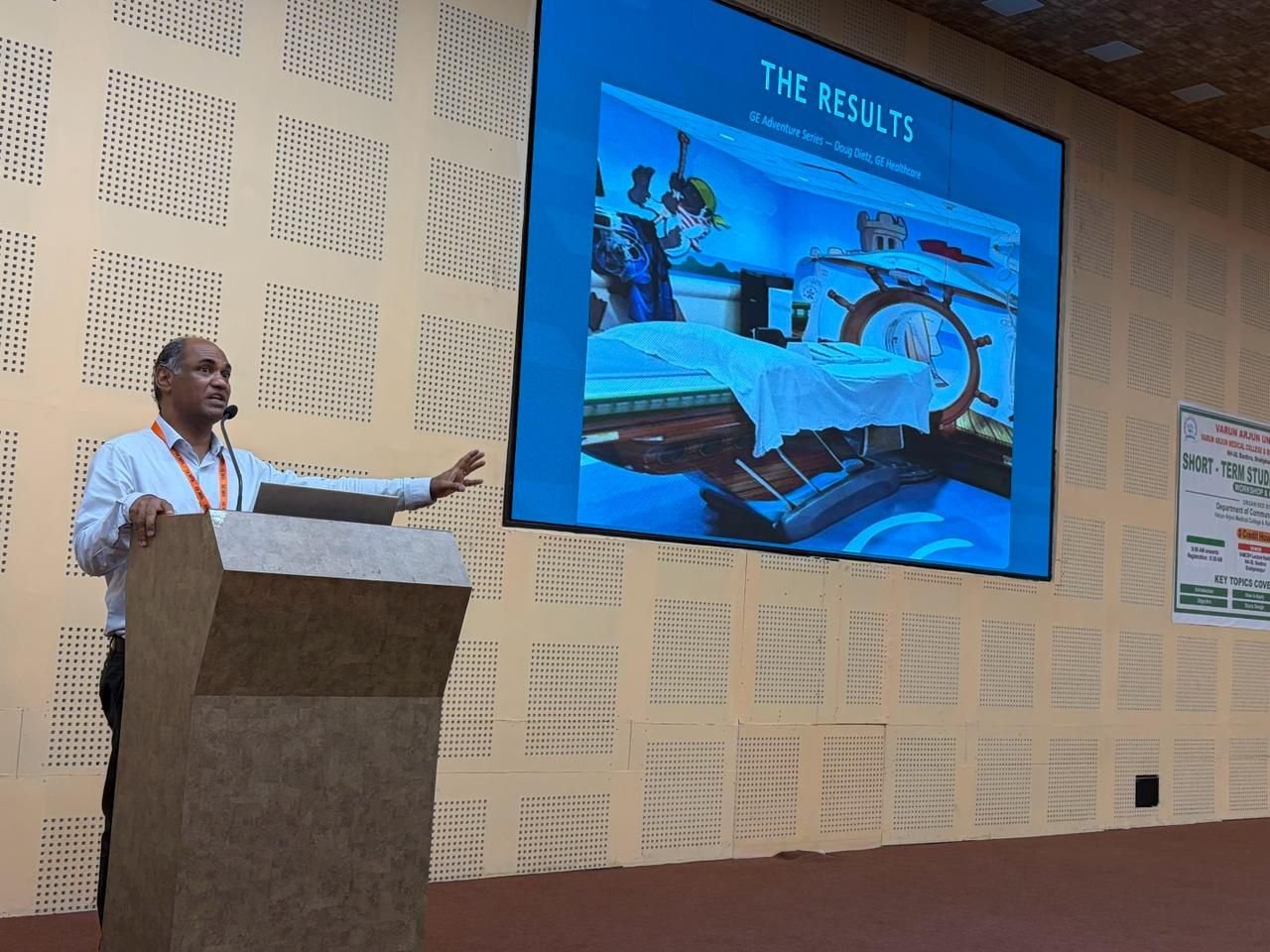
To illustrate the positive impact of human-centered innovation, the session also featured the story of Doug Deitz, a GE Healthcare engineer who transformed the patient experience associated with MRI procedures. After observing the fear and anxiety experienced by children undergoing MRI scans, Deitz and his team applied Design Thinking principles to redesign the patient journey rather than the machine itself. Through empathy-driven design and multiple iterations, MRI rooms were transformed into immersive adventure-themed environments, significantly reducing patient anxiety and the need for sedation.
These examples demonstrated the fundamental difference between machine-centered innovation and human-centered design. Participants were introduced to the core principles of Design Thinking, with particular emphasis on Empathy, the first and most critical stage of the process. The discussion highlighted how understanding the experiences, challenges, and emotions of end users can lead to more effective solutions in healthcare.
The session further emphasized that Design Thinking is not limited to startups or product development. Its principles have significant applications in medicine, medical education, healthcare delivery, patient experience, and healthcare system design.
BMIIL expresses its sincere gratitude to Varun Arjun University and the Department of Community Medicine for the opportunity to contribute to this enriching academic initiative. The enthusiastic participation of the doctors, faculty members, and healthcare professionals made the session highly interactive and impactful, reaffirming the growing importance of innovation and human-centered problem-solving in modern healthcare.