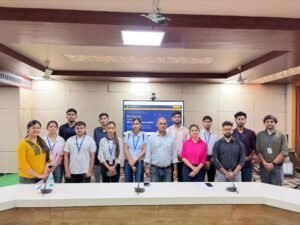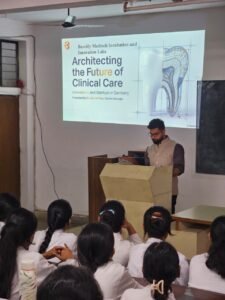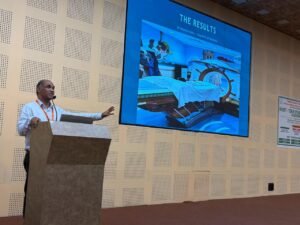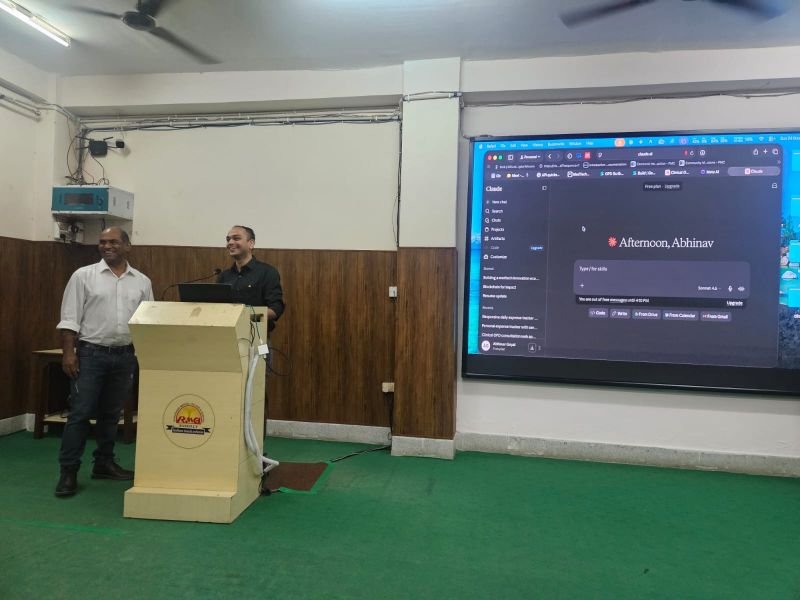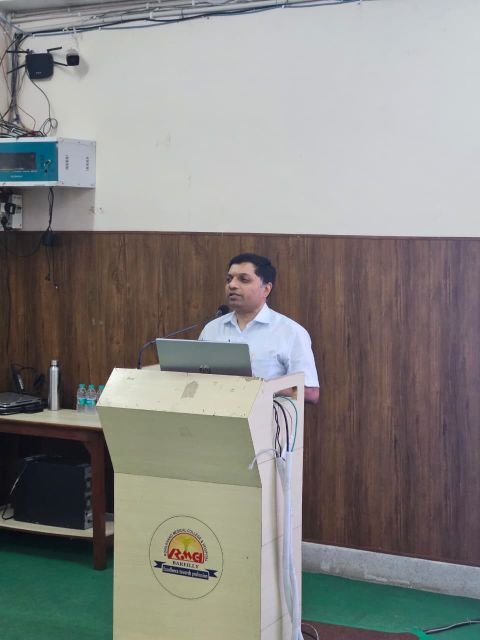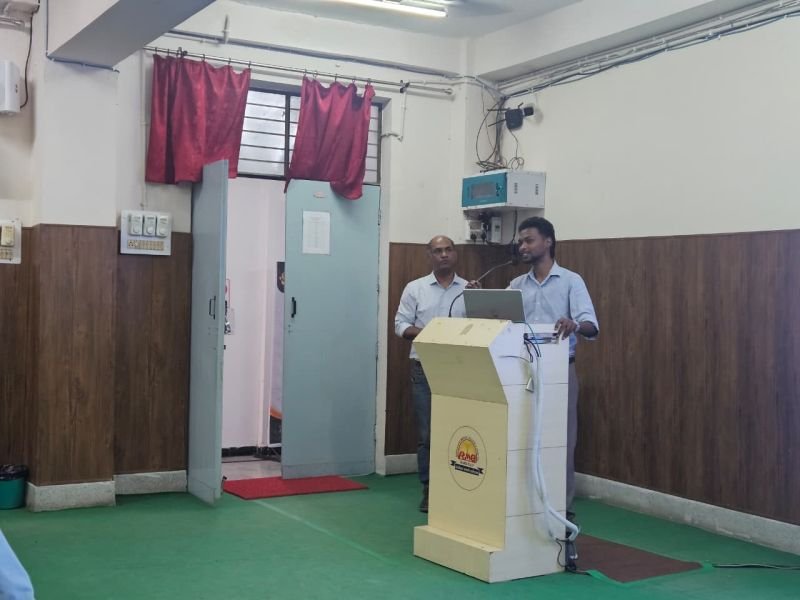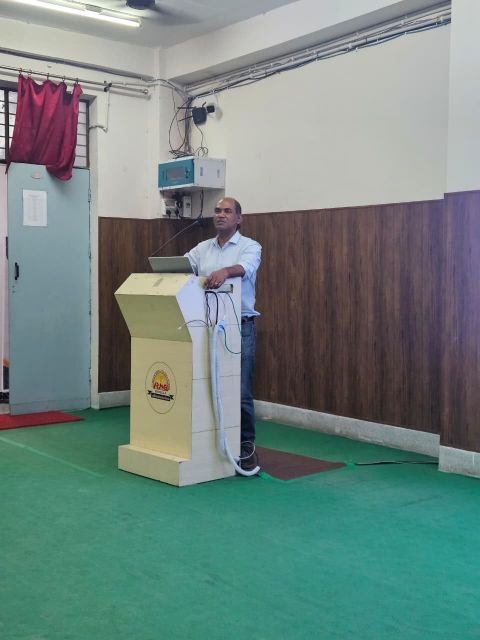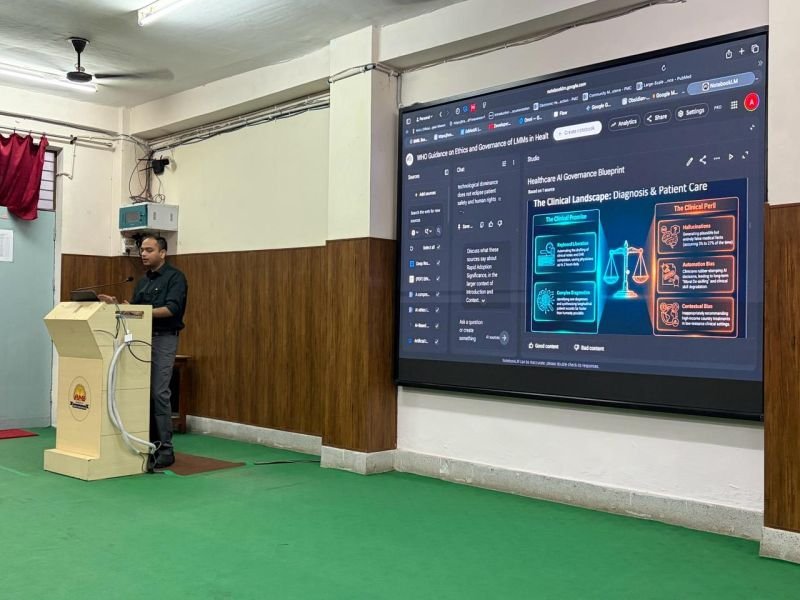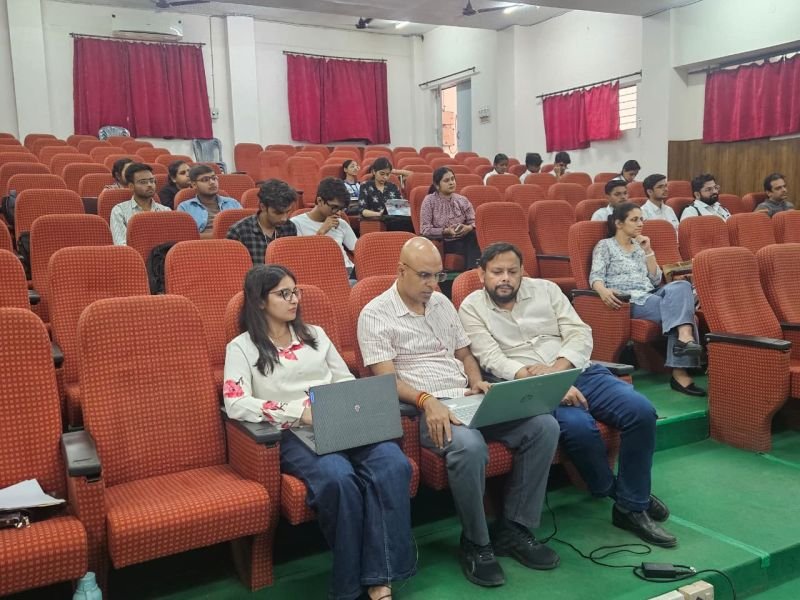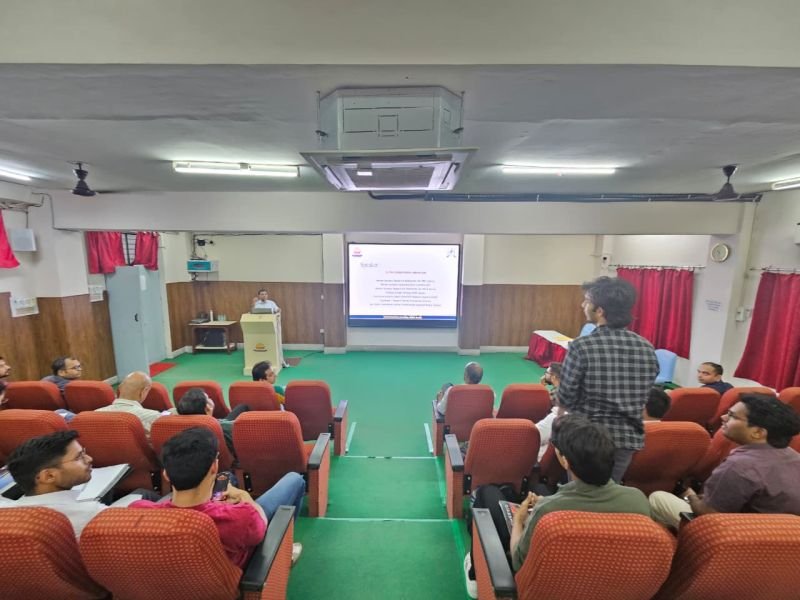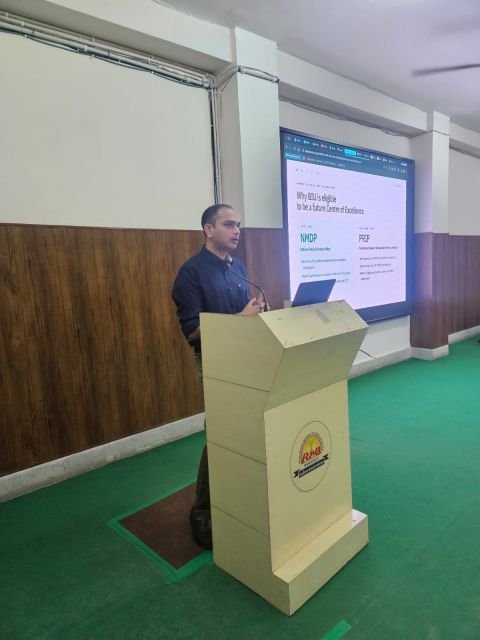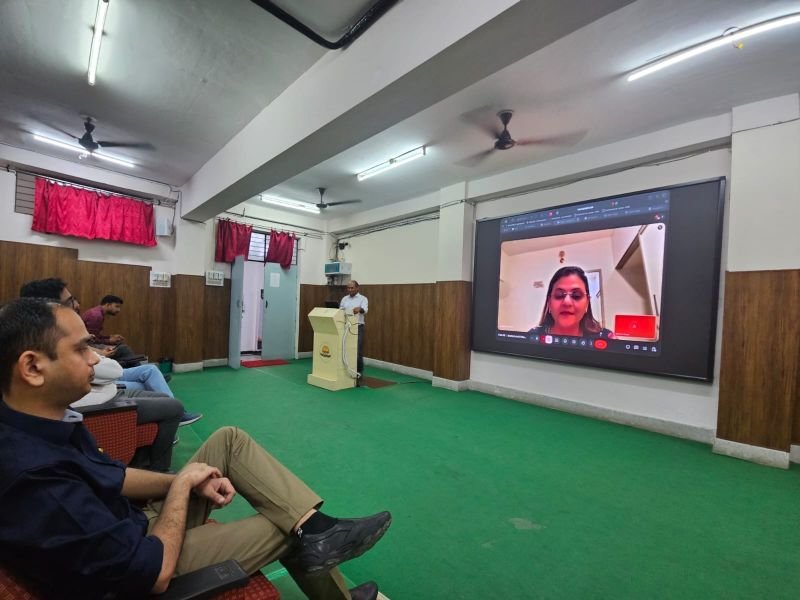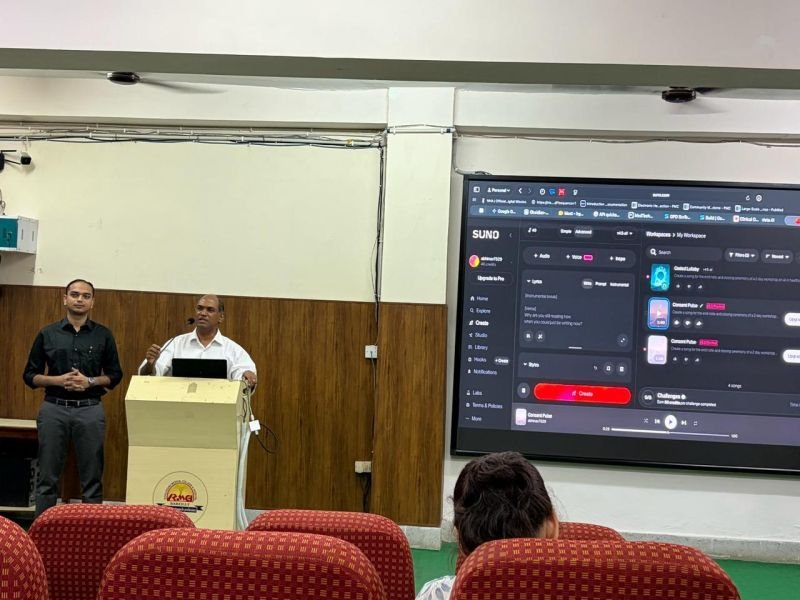
Bareilly Medtech Incubation & Innovation Labs Foundation (BMIIL) successfully conducted its first-ever Foundation Course on Artificial Intelligence in MedTech & Healthcare at Bareilly International University (BIU), bringing together over 50 students, doctors, faculty members, and healthcare enthusiasts for an immersive two-day learning experience.
The program focused on introducing participants to the rapidly evolving role of Artificial Intelligence in healthcare, clinical practice, research, and innovation. The sessions were designed to combine foundational understanding with practical exposure to emerging AI tools and technologies shaping the future of medicine.
Dr. Abhinav Goyal, Research Associate & Innovation Lead at BMIIL, anchored a major part of the course and guided participants through the evolving landscape of AI in clinical practice. His sessions provided valuable insights into how clinicians and healthcare professionals can effectively integrate AI into modern healthcare systems.
One of the highlights of the event was an engaging session by Dr. Jayashree Rajesh Prasad, Head of Computer Science Engineering at MIT ADT University, Pune. Her presentation offered a comprehensive perspective on the past, present, and future of AI in MedTech, inspiring attendees to explore the vast possibilities of technological innovation in healthcare.
Adding an essential dimension to the discussions, Dr. Nitesh Mohan, Head of Pathology and Chair of the Institutional Ethics Committee at Rohilkhand Medical College & Hospital, conducted an insightful session on the ethics of AI in medicine. The session emphasized responsible AI adoption, patient safety, and ethical considerations in healthcare technology.
The course also featured an interactive demonstration by Clement James Butterfield James, who showcased the creative possibilities of AI-powered content generation by creating videos from a single image using advanced AI tools. Participants were also introduced to Suno.ai, where AI-generated music was demonstrated live, making the learning experience both innovative and engaging.
On the second day, attendees gained hands-on experience with platforms such as Google AI Studio and Claude.ai, where they explored AI applications in clinical workflows, research assistance, and app development. Participants built their own basic applications and experimented with AI-driven healthcare solutions from the very first day of training.
The event also highlighted the broader vision of AI in healthcare — not as a replacement for doctors, but as a powerful tool to enhance medical capabilities, improve accessibility, and help scale healthcare solutions rapidly, particularly in countries like India.
Following the overwhelming response and active participation, BMIIL announced plans for a follow-up session in July, along with an advanced cohort program for students and faculty members interested in deeper exploration of AI and healthcare innovation.
The successful completion of the course marks an important step in fostering innovation-driven medical education and interdisciplinary collaboration in the field of healthcare technology.
BMIIL expressed gratitude to all speakers, attendees, collaborators, and the organizing team for making the initiative a success, with special appreciation extended to MIT ADT University for its valuable collaboration and support.